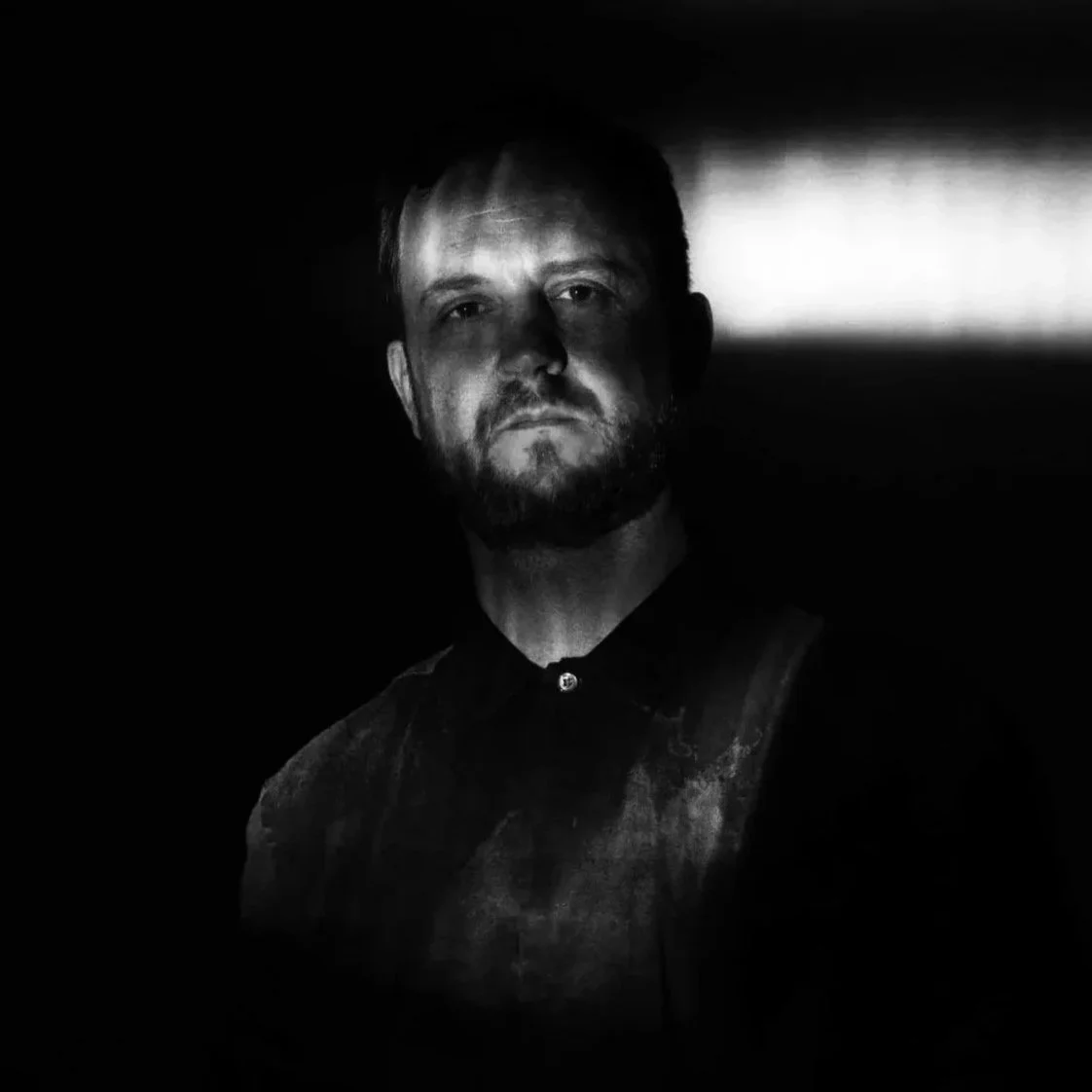
Magnus Fuhr, founder of Chaos Engine Art Studio, navigates the territory where sculpture stops behaving like sculpture and might double as a stage, a street lamp, or a piece of local folklore. The Danish artist, who graduated from the Funen Art Academy in 2011, has spent his career creating works made to stand outdoors, to be touched, climbed on and encountered by people who never set out to see art at all. His oeuvre spans from large-scale sculptures rooted in sub- and pop-cultural iconography to delicate, poetic works that gently interrupt, elevate and redefine their urban surroundings.
Fuhr typically pairs raw physical materials — steel, timber, cast and moulded forms — with light, often programmable and shifting, so the same structure reads differently by day and by night, in stillness and in a crowd. That combination situates his artistic focus within a broader, decades-long expansion of what sculpture can be. It continues a shift, rooted in the land art and installation practices of the 1960s and 70s, away from the freestanding object on a plinth and toward work bound inseparably to its site, its weather and its public.
What holds Fuhr's practice together, across scales and contexts, is a consistent refusal to protect the art object from the public and the location it is made for. Fuhr's sculptures are created to be lived with rather than simply looked at. The premise, sustained across more than a decade of work, is that art gains value when it interacts with its surroundings and the public.